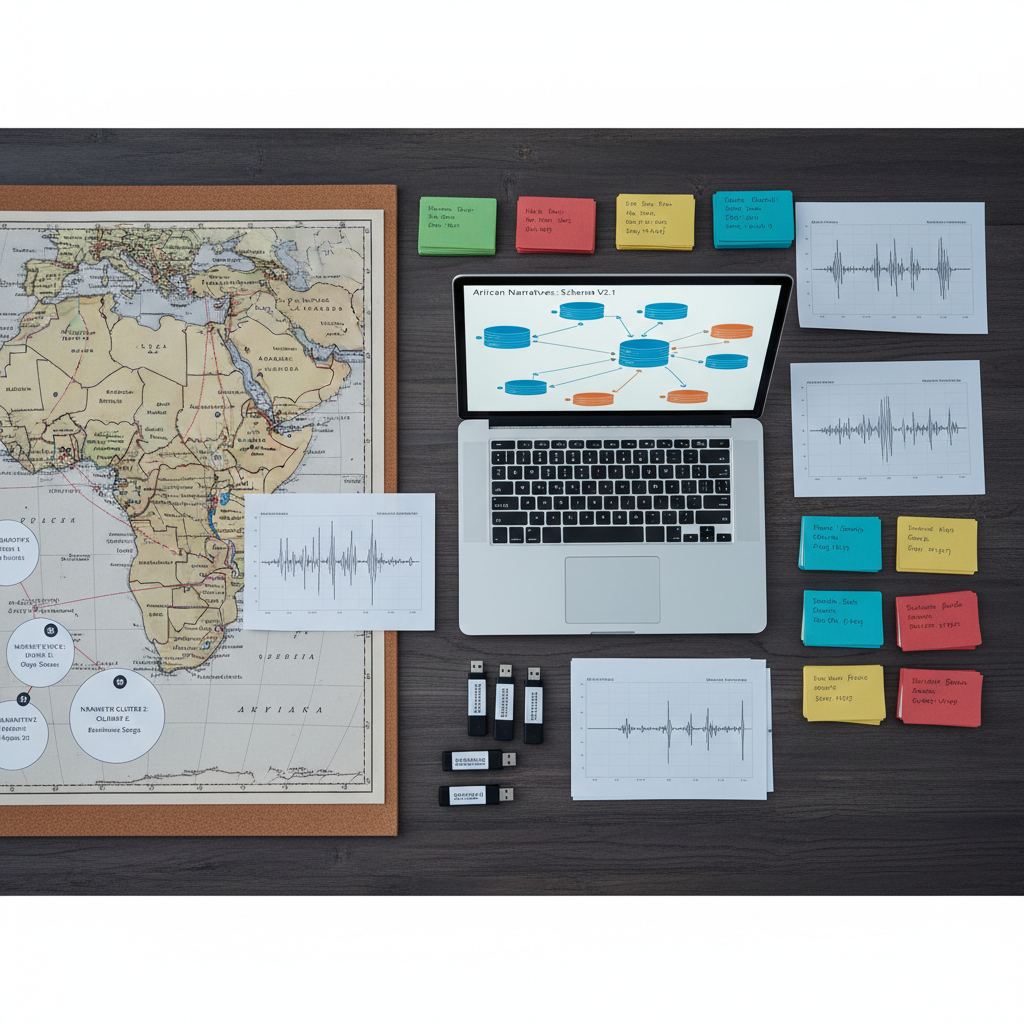
A high-resolution overhead photograph of a large, dark wooden desk where physical and digital archives intersect: an open laptop displaying a complex database schema of African narratives, surrounded by color-coded index cards, printed waveform diagrams of audio recordings, and a scatter of USB drives labeled with archive codes. On one side, a detailed map of Africa and the diaspora is pinned to a cork mat, with red thread linking regions to numbered narrative clusters. Cool, even studio lighting creates minimal shadows and maximal clarity, emphasizing precision and data. The composition is balanced and grid-like, evoking order and structure, with photographic realism and a clean, modern aesthetic that highlights the transformation of oral traditions into analyzable digital data.

Our Narrative Archive

DAAN catalogues African oral and diasporic narratives, transforming vibrant voices into structured data while preserving cultural texture and sociological insight.
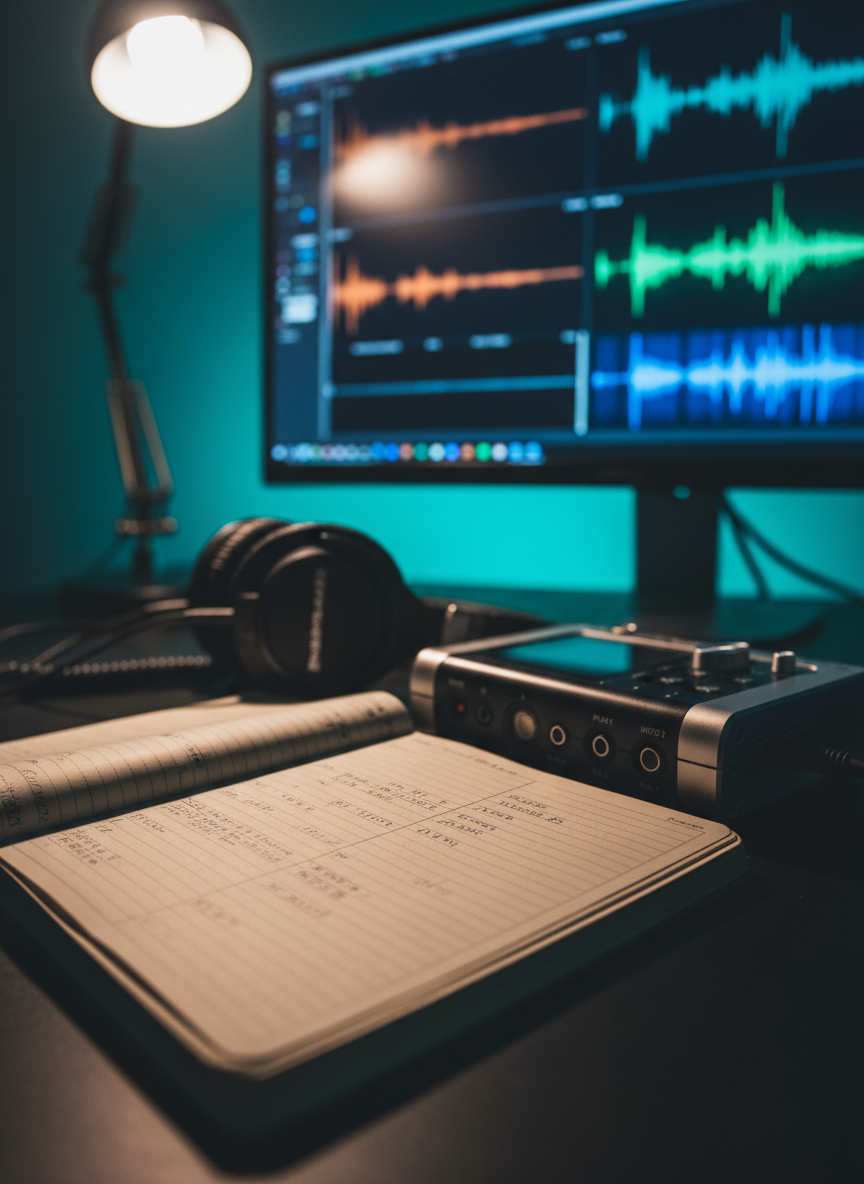
A tightly framed, photographic close-up of a professional-grade audio workstation: a sleek black digital recorder, high-fidelity studio headphones resting on coiled cables, and a large screen displaying colorful spectrograms of recorded African oral narratives. The equipment sits on a matte black desk surface, contrasted by a single, worn field notebook open to penciled transcription marks and timestamps. Subtle, focused side lighting from a desk lamp creates a chiaroscuro effect, accentuating metal textures, screen glow, and embossed labels on the recorder. Shot at a low, cinematic angle with shallow depth of field, the glowing spectrogram fills the background as the notebook remains in sharp focus, evoking a contemplative, analytical mood that bridges raw sound and structured data.
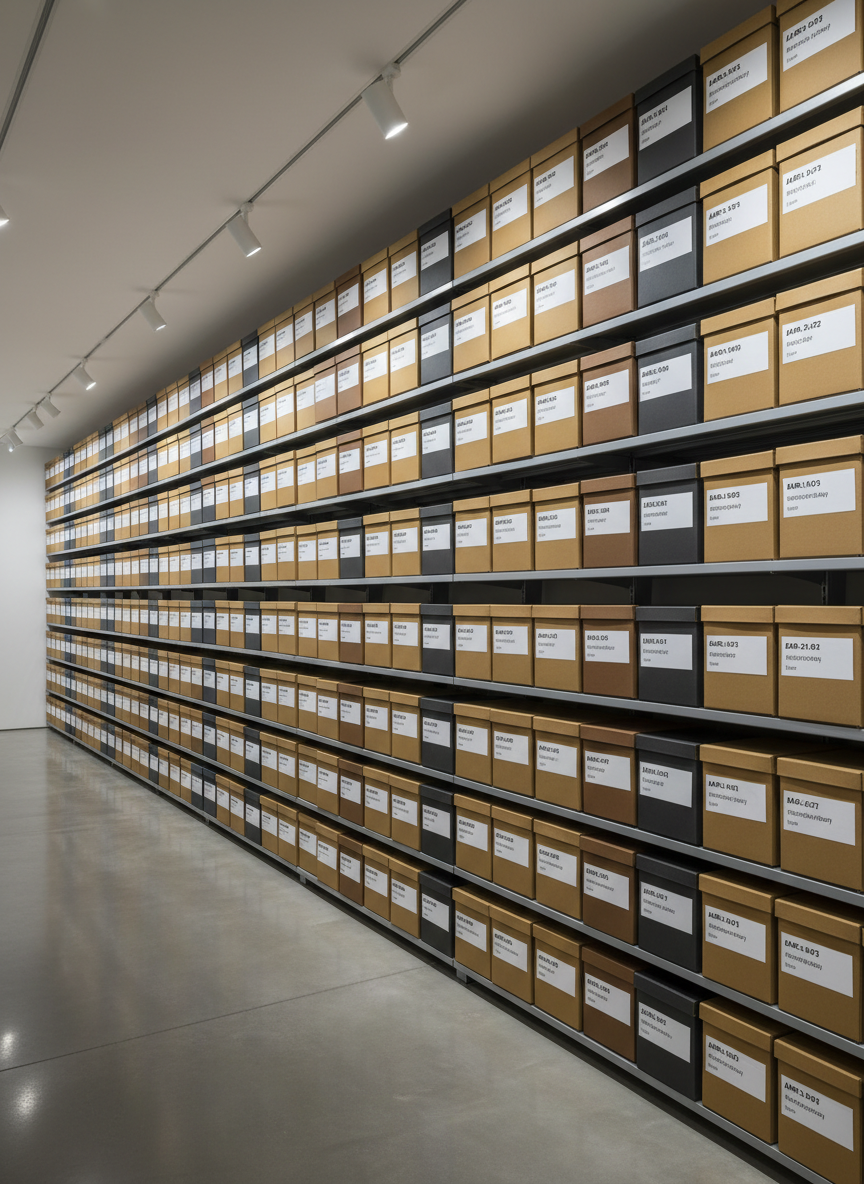
A long, minimalist shelving wall in photographic realism, filled not with books but with uniformly sized archival boxes in muted ochres, deep browns, and charcoal greys. Each box bears a crisp white label with alphanumeric codes and tags such as “migration,” “ritual,” and “memory.” The floor is polished concrete, reflecting faint outlines of the lower shelves. Overhead, soft, neutral-toned track lighting runs the length of the wall, casting controlled, gentle illumination with almost no harsh shadows. Shot from a slightly oblique angle using the rule of thirds, the rows of boxes recede in precise perspective, conveying a sense of infinite categorization. The atmosphere is calm, austere, and rigorously professional, suggesting the systematic containment of sprawling, diverse African and diasporic narratives.
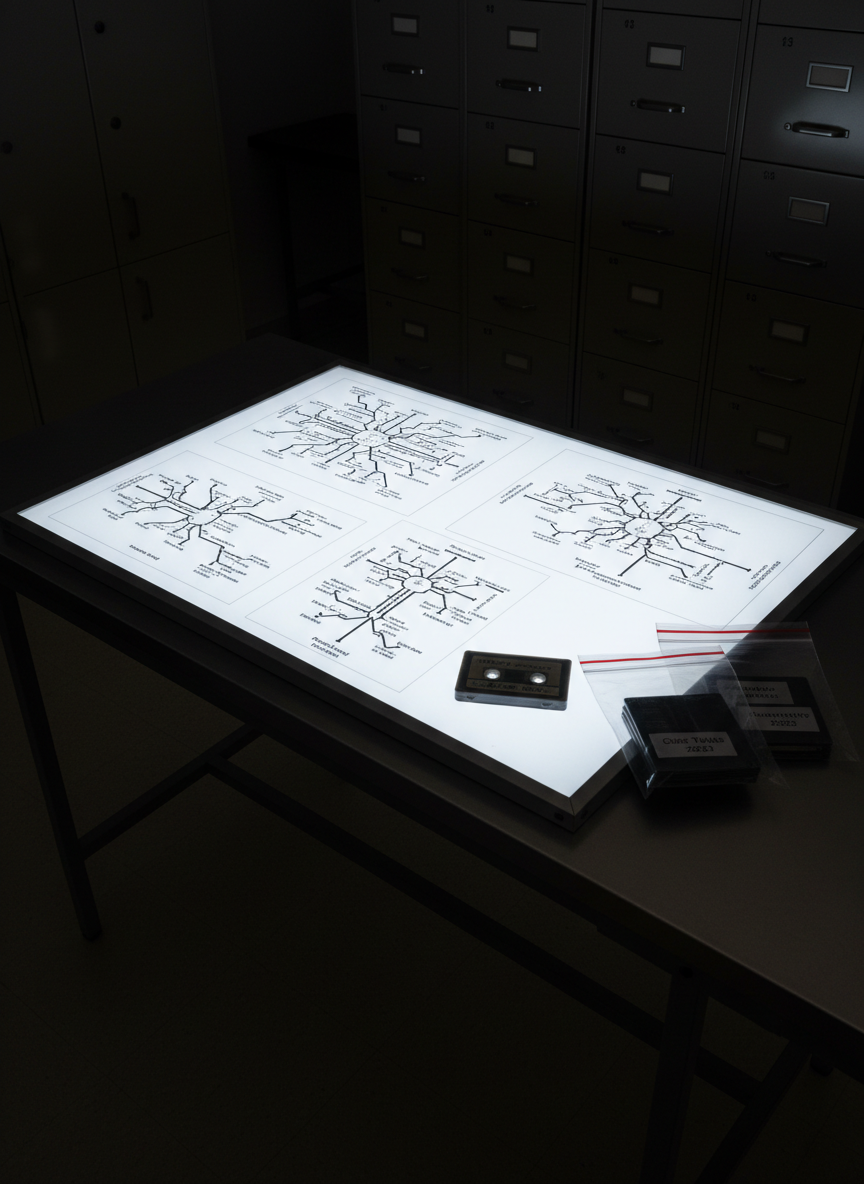
A dimly lit archival lab where an illuminated lightbox dominates the center of a sturdy metal table. On the glowing surface lie transparent overlays of narrative diagrams, branching like intricate root systems, annotated with tiny, typed labels such as “origin myth,” “displacement,” and “reclamation.” Nearby, clear plastic evidence bags contain labeled audio cassettes and memory cards. The background holds tall shadowed cabinets with discreet classification numbers. The only strong light source is the cool white lightbox, casting upward illumination that emphasizes the translucence of the diagrams and creates dramatic, elongated shadows of the storage media. Photographed from a slightly elevated angle with a moderate depth of field, the mood is forensic and contemplative, highlighting the attempt to dissect and systematize fluid, oral storytelling.

Newsletter Updates

Subscribe to receive quarterly digests linking field notes, archive additions, and methodological notes to readers curious about African narratives and the ethics of documentation.